
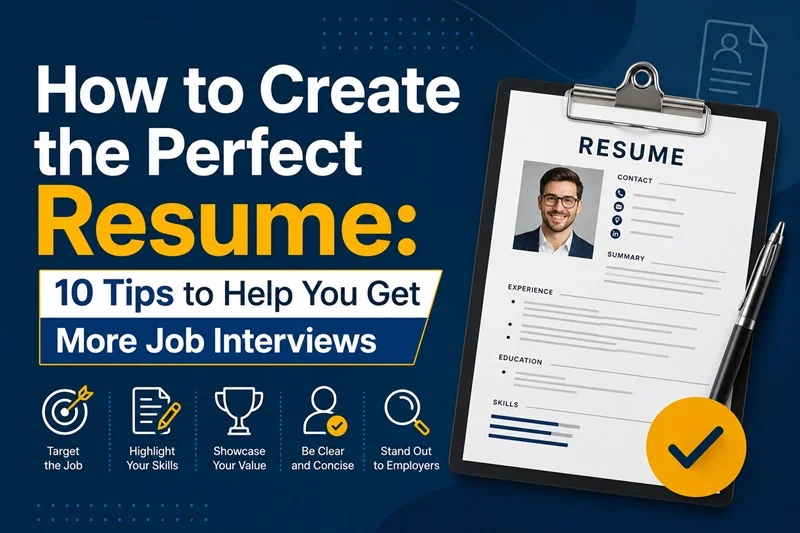
The first step in creating a strong resume is keeping it simple and professional. Your personal information should include your full name, phone number, professional email address, and the city or region where you live. There is usually no need to include personal details such as your marital status, identification numbers, religion, or a photo unless the employer specifically requests them.
Next, write a clear career objective. Instead of using general statements like "Looking for a challenging opportunity," be specific about the role you want. For example, write "Administrative Assistant," "Customer Service Representative," "Software Developer," or "Marketing Coordinator." This immediately helps recruiters understand your career goals.
Your work experience should be listed in reverse chronological order, starting with your most recent position. For each job, include the company name, your job title, employment dates, and three to five bullet points describing your main responsibilities and achievements. Whenever possible, include measurable accomplishments. For example, mention if you increased sales, improved customer satisfaction, reduced costs, trained new employees, or completed important projects successfully.
If you are looking for your first job and do not have professional experience, don't worry. Employers also value internships, volunteer work, academic projects, extracurricular activities, certifications, and transferable skills. Focus on experiences that demonstrate responsibility, teamwork, communication, leadership, or problem-solving abilities.
Education is another essential section of your resume. Include your highest completed level of education or the degree you are currently pursuing. If you have completed additional training courses, professional certifications, or workshops related to your desired position, list them in a separate section called "Certifications" or "Professional Development."
Your skills section should highlight abilities that are relevant to the job. Include both technical skills and soft skills. Examples of technical skills include Microsoft Excel, Microsoft Office, project management software, graphic design tools, programming languages, accounting software, or foreign languages. Soft skills such as communication, adaptability, teamwork, organization, and time management are also highly valued by employers.
One of the biggest mistakes job seekers make is sending the exact same resume to every company. Instead, customize your resume for each application. Carefully read the job description and adjust your resume to emphasize the qualifications, experience, and skills that match the employer's requirements. This simple strategy greatly increases your chances of passing both automated Applicant Tracking Systems (ATS) and human recruiters.
The design of your resume is equally important. Choose a clean and professional layout with easy-to-read fonts such as Arial, Calibri, or Helvetica. Avoid excessive colors, graphics, decorative icons, or complicated formatting that could make your resume difficult to read. A well-organized document looks more professional and performs better in ATS software used by many companies.
Before submitting your resume, proofread it carefully. Grammar mistakes, spelling errors, incorrect phone numbers, or outdated information can leave a negative impression and reduce your chances of being contacted. If possible, ask a friend or family member to review your resume before sending it to employers.
Finally, remember that your resume is only the first step in the hiring process. Once you receive an interview invitation, be prepared to demonstrate confidence, professionalism, and enthusiasm for the position. Continue improving your knowledge, developing new skills, and updating your resume regularly as your career grows.
Fortunately, creating a professional resume has never been easier. Today, several free online platforms provide modern templates that can be customized in just a few minutes. Two of the most recommended tools are **Canva**, which offers hundreds of professional designs, and **FlowCV**, which focuses on ATS-friendly resumes preferred by many recruiters. Both platforms allow users to create, edit, and download resumes in PDF format without requiring advanced design skills.
A well-crafted resume will not guarantee a job offer, but it will significantly increase your chances of getting noticed by employers. Invest time in building a resume that accurately represents your experience, skills, and career goals. Keeping it updated and tailoring it to each application can make the difference between being overlooked and being invited for your next job interview.
For readers who want to create a professional resume for free, two excellent online tools are:
- Canva Resume Builder: https://www.canva.com/resumes/
- FlowCV Resume Builder: https://flowcv.com/